Booking a professional deep clean is the easy part. What you do before the cleaner arrives determines how much of your money you actually get value from.
A kitchen deep clean takes two to three hours on average. If the cleaner spends forty minutes of that moving items off worktops and clearing the hob of accumulated pans, that’s forty minutes that isn’t spent on the grease behind the oven, the tile grout, or the inside of the microwave. Preparation isn’t about tidying for appearance — it’s about getting access to the areas that need the most work.
Key Takeaways – Clear surfaces before your cleaner arrives so they can spend time cleaning, not clearing – Move small items off worktops and bathroom shelves — leave the heavy lifting to your cleaner – Secure pets in another room or arrange for them to be out — it’s safer for everyone – Tell your cleaner in advance which areas to prioritise and if there are any products to avoid – Have a plan for key handover if you won’t be home — agree it in advance, not on the day
Why Preparation Matters: The Time Argument
According to Noticed.uk, a professional kitchen deep clean takes approximately 2.5 hours as a midpoint estimate. A full two-bedroom home typically runs four to five hours. When areas are cluttered or inaccessible, that time extends — and you’re billed for it.
The most common complaints about professional cleaning jobs are preventable:
- Areas missed or not properly reached due to clutter
- Insufficient cleaning in corners and hidden spots
- Surfaces not fully accessible
- Areas behind furniture not addressed
Most of these come back to access. A cleaner cannot deep-clean behind the washing machine if the laundry basket is in front of it. They cannot descale the bathroom tiles properly if every shelf is covered with products. Preparation changes that.
What to Do Before Your Cleaner Arrives
1. Clear surfaces
The most impactful single step. In the kitchen:
- Remove everything from worktops — toasters, kettles, chopping boards, appliances
- Clear the hob of any pans or utensils
- Move anything sitting on top of the microwave or fridge
In the bathroom: – Take everything off the bath edge and shower shelf — shampoos, soaps, razors – Clear the basin area
On bedside tables and dressers: – Move anything you don’t want touched or that might be damaged by cleaning products
You don’t need to put everything away permanently. Just move it somewhere the cleaner won’t need to be.
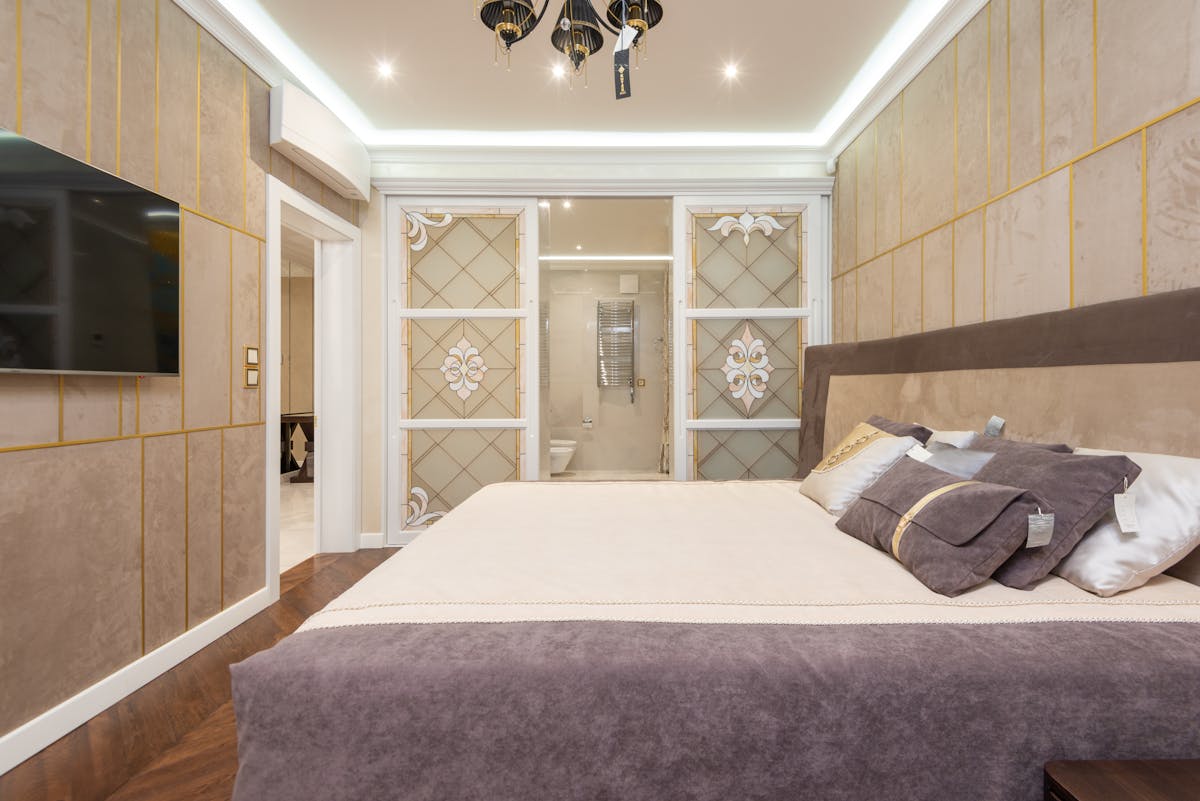
2. Declutter floors and corridors
Clear walking routes so the cleaner can move freely between rooms. Move laundry baskets out of the bathroom. Pick up anything on the floor that shouldn’t be there — bags, shoes, children’s toys in hallways.
The cleaner will move light furniture to hoover underneath — chairs, lightweight tables, smaller items — but they can’t safely move heavy sofas, wardrobes, or bed frames. If there are specific areas underneath heavy furniture you want cleaned, tell them in advance.
3. Deal with dishes
Wash or stack the dishes before the cleaner arrives. This isn’t about tidiness — it’s because a kitchen deep clean needs access to the full sink, drains, and the areas around the hob and appliances. A full sink takes time to deal with and delays the more valuable cleaning work.
4. Note anything fragile or valuable
Do a quick pass through the rooms being cleaned and identify anything genuinely fragile — an ornament, a piece of art, an expensive item on an open shelf. Either move it somewhere safe or tell your cleaner clearly what it is before they start. This prevents accidents and means they don’t spend time being cautious around items you’d actually be fine with them cleaning around.
Pets: What to Do
51% of UK adults own a pet, according to the PDSA PAW Report 2024 — so if you’re booking a professional clean, there’s a better-than-even chance a pet is involved. Pet preparation matters for three reasons: safety, allergies, and surcharges.
Safety: Professional cleaning products are not safe for pets. Bleach, strong degreasers, and disinfectants can irritate or harm animals if they walk across treated surfaces before they dry, lick cleaned areas, or breathe concentrated fumes. Keep pets out of rooms being cleaned.
Comfort: Many pets — dogs in particular — become anxious around unfamiliar people and equipment (hoovers, mops, buckets). An anxious dog in a confined space is a risk to the cleaner and to the dog. Arrange for pets to be in a separate room with their own water and space, or out of the home entirely if the clean covers the whole property.
Surcharges: Many professional cleaning services in the UK apply a £10–£20 surcharge to homes with pets due to additional hair and dander, according to Britshine’s UK cleaning price guide. Tell your cleaning company in advance that you have a pet — most apply this automatically, but it avoids billing surprises.
What to tell your cleaner: Whether you have an animal in the house, which rooms it uses, and whether it’s secured. If the pet has a specific product sensitivity, mention that too.
What to Tell Your Cleaner in Advance
A pre-clean brief takes five minutes and makes a significant difference. Cover:
Priorities: Which rooms matter most? Which areas have been neglected longest? If you want the oven interior and bathroom grout to be the focus, say so — otherwise the cleaner works to a standard sequence.
Products: Any product sensitivities in the household? Fragrance allergies, someone with asthma, a preference for unscented products? Most professional cleaning companies can accommodate this with advance notice.
Access restrictions: Any rooms to avoid? Any locked cupboards the cleaner shouldn’t touch? Are there children’s bedrooms with specific arrangements?
The oven: If you want the oven interior included, confirm this explicitly — it’s sometimes a separate add-on depending on the service. The same applies to the inside of the fridge, windows, and carpet cleaning.
Existing damage: Any marks, stains, or surface conditions that aren’t from lack of cleaning — a scratched worktop, a pre-existing tile crack — are worth flagging. It avoids confusion about whether anything happened during the clean.
Key Handover and Security
If you won’t be home during the clean, agree key handover before the day — not when the cleaner arrives.
Options include: – Being home at the start and leaving once the cleaner begins – A key safe or lockbox with a code (share the code in advance, not via text five minutes before) – Leaving a key with a neighbour the cleaner can collect from – An appointment time when you can be home
A good cleaning company will confirm key handling procedures as part of the booking process. If you’re leaving valuables in the home, secure them in a locked room or take them with you — it’s sensible practice regardless of how much you trust the service.
Your Pre-Clean Checklist
Run through this before every professional deep clean:
- Surfaces cleared in kitchen, bathroom, and bedrooms
- Dishes washed or stacked
- Floors and corridors clear of clutter
- Pets secured or arranged to be out
- Cleaner briefed on priorities, product preferences, and access
- Fragile items noted or moved
- Key handover confirmed if you won’t be home
- Any existing damage or marks flagged
Frequently Asked Questions
Should I clean before the cleaner arrives?
No need to deep-clean before they come — that’s the point of the appointment. What helps is basic decluttering: cleared surfaces, picked-up floors, dishes done. The cleaner’s time is most valuable on the areas that actually need professional attention.
What happens if I forget to clear an area?
Your cleaner will do their best to work around it, but access-dependent tasks — inside the oven, behind the washing machine, bathroom tile grout — may be missed or partially done. If you want full coverage, clear the access points before they arrive.
Do I need to be home during the deep clean?
No. Most customers leave once the cleaner has started. Agree key handover, leave contact details, and ask the cleaner to message when they’re done. Being home can sometimes slow the process if rooms are occupied.
How do I know what the cleaner will and won’t include?
Ask when you book. A good cleaning company will be clear about what’s in scope: which appliances are included, whether windows are covered, what happens with carpets and upholstery. Get it agreed in advance rather than finding out at the end.
What if I have a fragrance or chemical sensitivity?
Tell the company when you book, not on the day. Most professional cleaning services can use unscented or low-VOC products on request. Atlon Cleaning Services can accommodate this — just mention it when you enquire.
Related reading: Deep Cleaning vs Regular Cleaning: What’s the Difference? | How Often Should You Deep Clean Your House?
Ready to book your professional deep clean in Manchester? Get a free quote from Atlon Cleaning Services or call 0161 524 9966. We cover Greater Manchester and the wider North West.