A desk harbours 400 times more bacteria than a toilet seat – roughly 21,000 germs per square inch (University of Arizona). Regular wiping helps. But it doesn’t reach the bacteria embedded in carpet fibres, air vents, or the gap behind every radiator in your building.
That’s the difference between maintenance cleaning and deep cleaning. One keeps the visible surfaces tidy. The other resets your workplace hygiene to baseline. Most Manchester offices need both – but knowing when to use which saves money and keeps your team healthier.
TL;DR: Maintenance cleaning covers daily and weekly surface tasks (vacuuming, bins, toilets, desks) at £20-£30/hr. Deep cleaning tackles everything maintenance misses – carpets, vents, high-level surfaces, behind furniture – and takes 4-8x longer. Most offices need maintenance 2-5x weekly and a deep clean every 3-6 months. UK employees average 9.4 sick days per year (CIPD, 2025).
What Does Maintenance Cleaning Include?
Maintenance cleaning is your bread-and-butter contract clean. It’s the regular, scheduled service that keeps your office presentable and hygienic between deep cleans. A standard maintenance visit covers surface-level tasks designed to prevent dirt from building up.
Typical maintenance cleaning tasks:
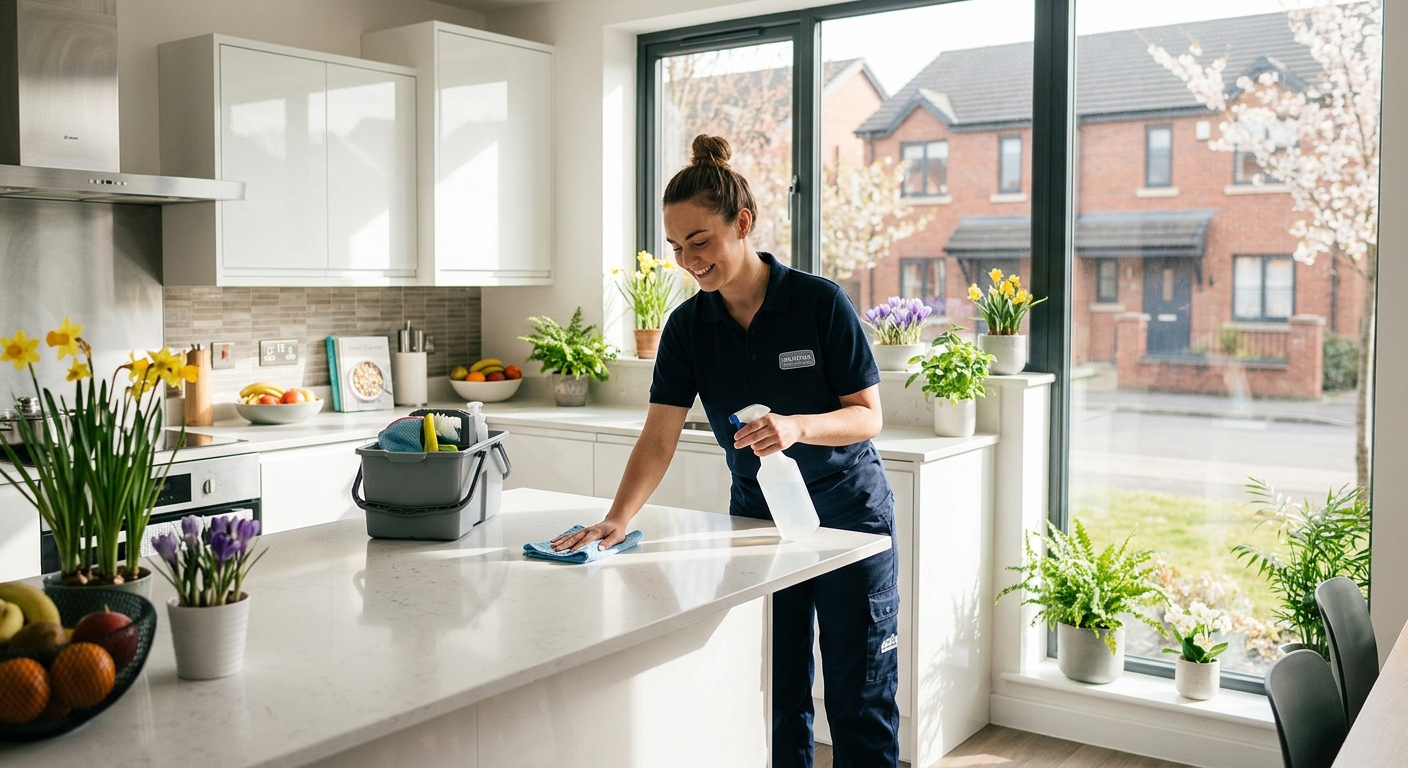
Every visit (daily or per schedule): – Vacuum all carpeted areas and mop hard floors – Empty bins and replace liners – Clean and disinfect toilets, sinks, and taps – Wipe kitchen surfaces, sinks, and appliance exteriors – Dust desks and accessible surfaces – Spot-clean marks on glass and doors
Weekly additions: – Dust windowsills, blinds, and skirting boards – Wipe light switches, door handles, and high-touch points – Clean internal glass and mirrors – Dust and wipe office equipment (monitors, phones, keyboards)
A maintenance clean for a typical 2,500 sq ft office with 20 staff takes 2-3 hours per visit. At £20-£30 per hour with two cleaners, you’re looking at £80-£180 per visit, or roughly £800-£1,800 per month on a 3x weekly schedule.
Maintenance cleaning keeps your office looking and smelling clean. But it doesn’t address what’s hiding in the carpet pile, behind furniture, above ceiling tiles, or inside your air conditioning ducts.
What Does Deep Cleaning Include?
Deep cleaning goes beyond surface appearances. It targets the grime, bacteria, and allergens that accumulate in places maintenance cleaning doesn’t reach. Think of it as a reset – returning your office to the standard it was at when you moved in.
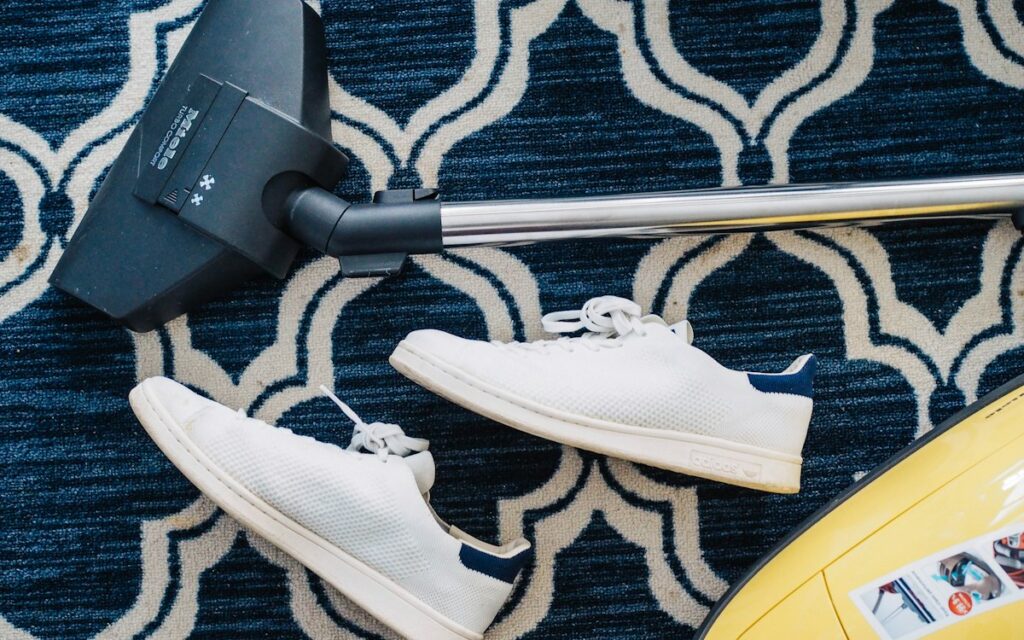
What a deep clean covers that maintenance doesn’t:
- Carpet deep extraction – Hot water extraction or steam cleaning removes embedded dirt, stains, and allergens from carpet fibres. Surface vacuuming only gets the top layer.
- Hard floor stripping and resealing – Machine scrubbing, stripping old polish, and applying fresh sealant restores the floor surface and anti-slip properties.
- High-level cleaning – Tops of cupboards, shelving, light fittings, air vents, extractor fans, and ceiling tiles. Everything above head height that collects dust silently.
- Behind and under furniture – Desks, filing cabinets, radiators, and heavy equipment that hasn’t been moved since installation.
- Upholstery cleaning – Office chairs, reception sofas, and fabric partitions harbour dust mites and skin cells.
- Internal window and glass cleaning – Full wash, not just spot-cleaning.
- Kitchen deep clean – Inside ovens, microwaves, fridges, and cupboards. Descaling taps and sinks. Cleaning extraction hoods.
- Washroom deep clean – Descaling tiles and grout, deep-cleaning cubicles, replacing sealant where needed.
- Skirting boards and wall washing – Removing scuff marks and dirt from lower walls.
A deep clean for the same 2,500 sq ft office takes 8-16 hours – 4 to 8 times longer than a regular maintenance visit. Expect to pay £400-£800 depending on condition and access.
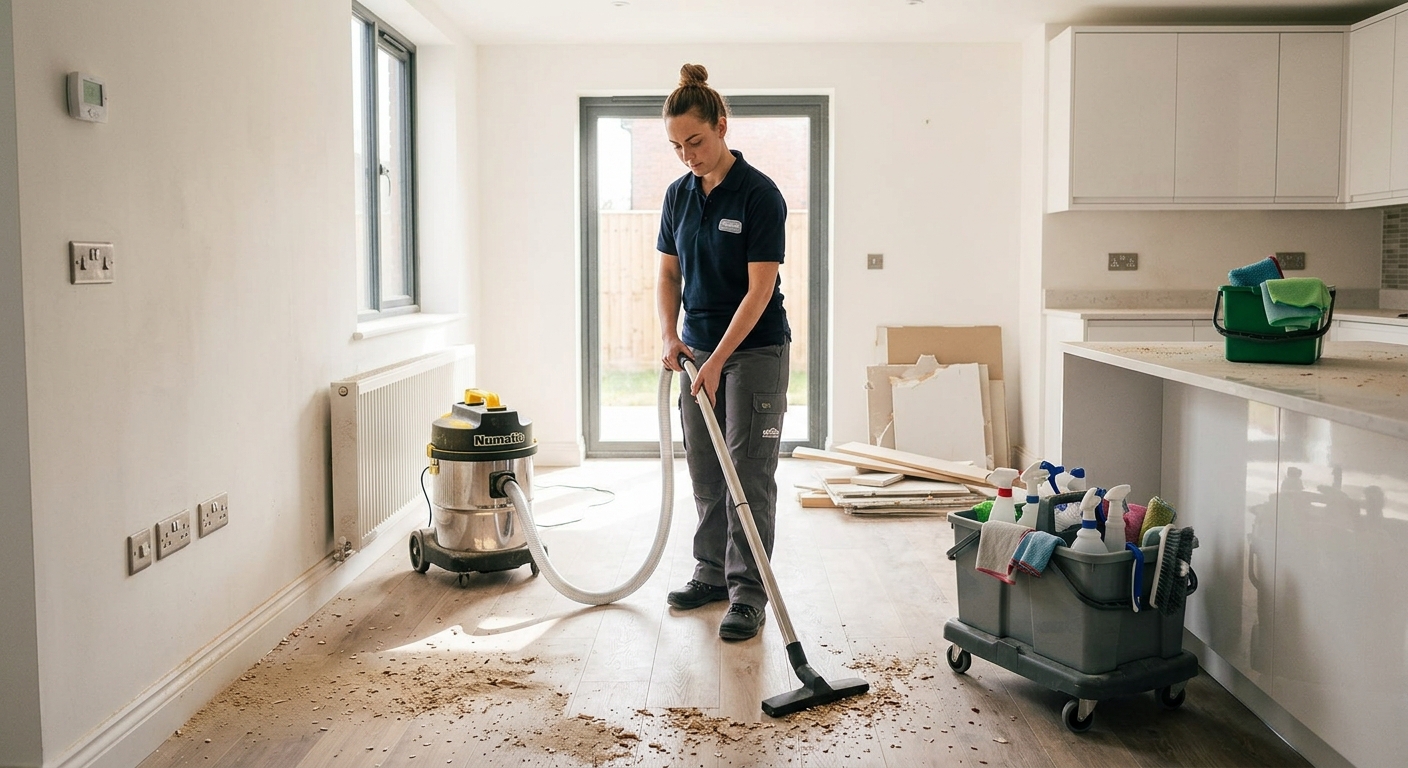
What we see on first deep cleans: The number one thing that surprises clients is what comes out of their carpets. Even in offices that look clean, the extraction machine pulls out dark grey water. That’s months of embedded dust, skin cells, food particles, and whatever came in on people’s shoes. After a proper deep clean, carpet colours look noticeably brighter.
How Do Deep Cleaning and Maintenance Cleaning Compare?
Maintenance Clean vs Deep Clean: Side-by-SideFor a typical 2,500 sq ft Manchester office (20 staff)
CriteriaMaintenance CleanDeep Clean
Frequency2-5x per weekEvery 3-6 months
Time per visit2-3 hours8-16 hours
Cost per visit£80-£180£400-£800
Monthly cost£800-£1,800£100-£200 (amortised)
ScopeVisible surfaces and floorsAll surfaces including hidden areas
EquipmentVacuum, mop, cloths, spraysSteam cleaners, extractors, scrubbers
DisruptionMinimal (done out of hours)Moderate (may need empty rooms)
PurposeMaintain cleanliness day to dayReset hygiene to baseline
Source: Atlon Cleaning Services pricing and scope data, Manchester 2026
The key point? They’re not interchangeable. Maintenance cleaning without periodic deep cleans means grime builds up in hidden areas. Deep cleaning without regular maintenance means your office looks pristine for a week and then deteriorates rapidly. You need both.
How Often Does Your Office Need Each Type of Clean?
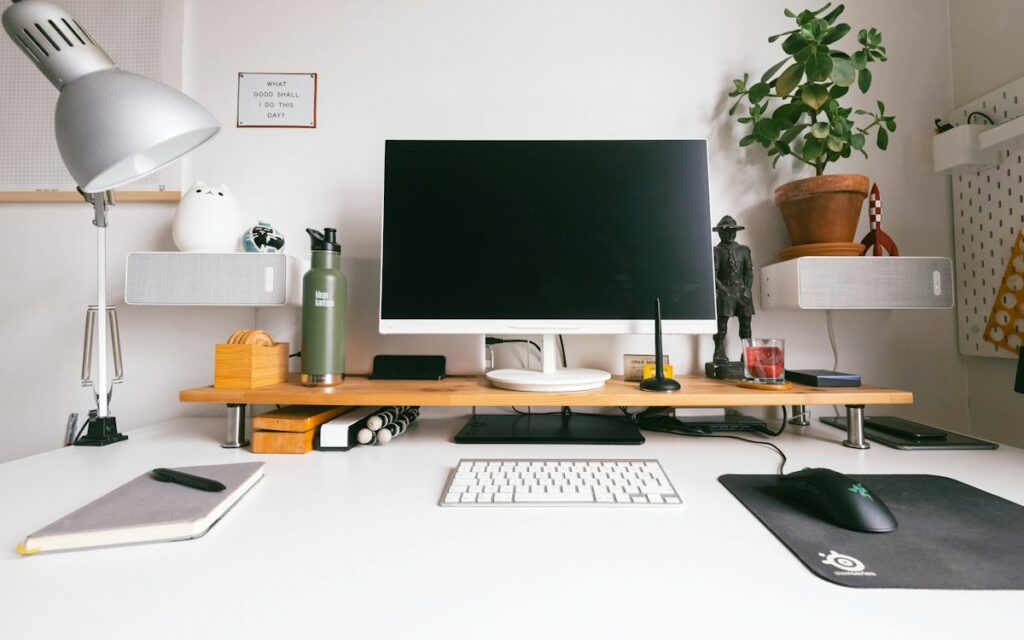
Poorly designed and maintained workplaces cost the UK economy £71.4 billion in GDP annually, with workers losing 68 minutes per week on unproductive workplace-related tasks (Mitie, 2025). Cleaning frequency plays a direct role in that number.
Recommended cleaning schedule by office size:
| Office Size | Staff | Maintenance Frequency | Deep Clean Frequency |
|---|---|---|---|
| Small (up to 1,000 sq ft) | 1-10 | 1-2x per week | Every 6 months |
| Medium (1,000-5,000 sq ft) | 10-30 | 3x per week | Every 3-4 months |
| Large (5,000-10,000 sq ft) | 30-80 | Daily | Quarterly |
| Multi-floor (10,000+ sq ft) | 80+ | Daily | Quarterly + monthly spot deep cleans |
These are starting points. Your actual schedule depends on foot traffic, the type of work done, whether you have client-facing areas, and how many people use shared spaces like kitchens and meeting rooms.
When to bring forward a deep clean:
- After a period of building work or refurbishment
- Before or after an office move
- Following a flu outbreak or illness spike
- Before a client visit, audit, or inspection
- At the start of a new cleaning contract (to set a baseline)
- If you notice persistent odours, staining, or allergy symptoms
Can You Combine Both Into One Contract?
Yes – and you should. Most professional cleaning companies in Manchester offer packages that bundle maintenance cleaning with scheduled deep cleans. This is almost always cheaper than booking deep cleans separately, and it ensures nothing falls through the gaps.
A typical combined contract looks like:
- Weekly maintenance: 3x per week, covering all daily tasks
- Monthly extras: High-level dusting, kitchen deep clean, washroom descale
- Quarterly deep clean: Full carpet extraction, floor treatment, behind-furniture clean, vent cleaning
Bundling also means the same team who does your daily cleaning also does your deep cleans. They know your building. They know which meeting room carpet stains within hours of cleaning and which kitchen never gets properly tidied by staff. That knowledge makes deep cleans faster and more effective.
Regular workplace disinfection can reduce absenteeism by up to 46%, and improving restroom cleanliness leads to a 62% improvement in employee satisfaction scores (ISSA, 2024). A combined contract is the most practical way to achieve that.
guide to switching commercial cleaning providers
What Are the Most Common Mistakes When Choosing Between the Two?
1. Relying on deep cleans instead of regular maintenance Some businesses skip weekly cleaning and book a deep clean every few months. This seems cost-effective until you realise that dirt builds up exponentially. A monthly deep clean can’t compensate for 30 days of unvacuumed carpets and uncleaned toilets.
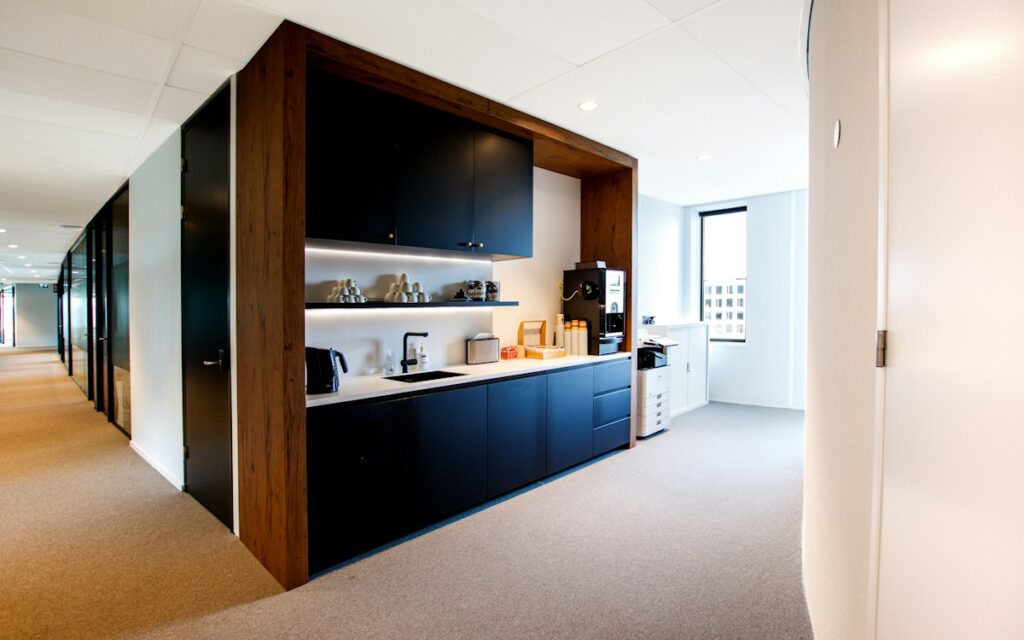
2. Paying for maintenance but never booking deep cleans The opposite mistake. Your office looks tidy on the surface, but embedded dirt, allergens, and bacteria accumulate in carpets, upholstery, and ventilation systems. After 12 months without a deep clean, you’re breathing in a year’s worth of accumulated dust.
3. Confusing a “spring clean” with a proper deep clean A thorough tidy-up by your regular cleaner isn’t a deep clean. A real deep clean requires specialist equipment – hot water extractors, industrial steam cleaners, floor scrubbing machines – and trained operatives who know how to use them.
4. Not scheduling deep cleans in advance Deep cleans require planning. Rooms may need to be empty. Furniture may need moving. Book at least 2-3 weeks ahead, and coordinate with your office manager to minimise disruption.
Frequently Asked Questions
How much does a deep clean cost compared to regular cleaning?
In Manchester, maintenance cleaning costs £20-£30 per hour. Deep cleaning uses the same hourly rate but takes 4-8 times longer due to the specialist equipment and thoroughness required. A 2,500 sq ft office costs roughly £80-£180 per maintenance visit versus £400-£800 for a full deep clean. Over a year, maintenance is your main expense – deep cleans are periodic investments.
Can my regular cleaners do a deep clean?
It depends on their training and equipment. Maintenance cleaners typically use vacuums, mops, and spray bottles. Deep cleaning requires hot water extraction machines, industrial steam cleaners, and floor scrubbers. If your current provider offers both services with trained staff, great. If not, you’ll need a specialist – or a provider that covers both.
How long does a deep clean take?
For a standard 2,500 sq ft office, expect 8-16 hours depending on condition. That’s usually done over a weekend or across two evenings to avoid disrupting your working day. Larger offices or premises in poor condition take proportionally longer. Your provider should give you a time estimate after a site visit.
Will a deep clean disrupt our working day?
It can, which is why most deep cleans are scheduled outside working hours – evenings, weekends, or bank holidays. Some tasks (like carpet extraction) require areas to be empty and floors to dry for several hours. Plan ahead and communicate with your team about any areas that’ll be off-limits.
How do I know if my office needs a deep clean right now?
Check these signs: persistent musty or stale odours, visible staining on carpets that doesn’t vacuum out, dust collecting on air vents or light fittings, allergy symptoms spiking among staff, sticky residue on hard floors, or it’s been more than six months since the last deep clean. If any of these apply, book one.
Get the Right Cleaning Schedule for Your Manchester Office
The choice between deep cleaning and maintenance cleaning isn’t either/or – it’s both, at the right frequencies. Maintenance keeps your office presentable daily. Deep cleans reset hygiene levels and extend the life of your carpets, floors, and furnishings.
Key takeaways: – Maintenance cleaning: 2-5x per week, covers visible surfaces, £20-£30/hr – Deep cleaning: every 3-6 months, covers everything including hidden areas, 4-8x longer – Combined contracts save money and deliver better results – 51% of employees say a poorly maintained workplace causes job dissatisfaction (Mitie, 2025) – Regular disinfection can reduce absenteeism by up to 46% (ISSA, 2024)
Need a maintenance contract, a one-off deep clean, or both? Get a free quote or call 0161 524 9966. We’ll visit your premises and recommend exactly what your office needs.