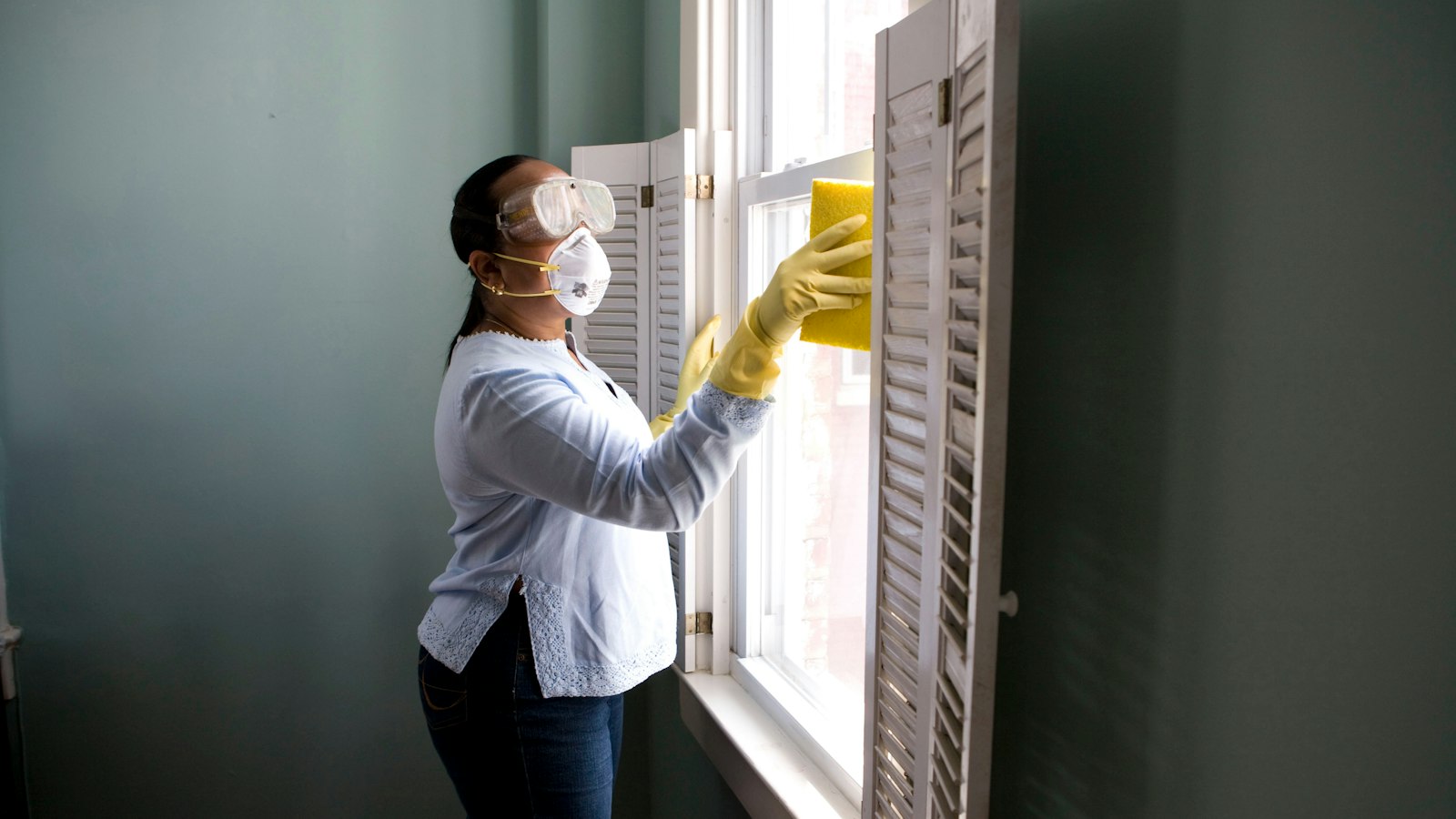
Renovation work ends. The builder signs off, the skip gets collected, and the room looks finished. Then you notice the fine white dust on every surface in the house — including rooms no one was working in. And the smell that hangs around for days. And the grit in the kitchen that appeared somehow even though the bathroom is on the other side of the property.
Post-renovation cleaning is not a deep clean of a dirty room. It’s a specific process for a property where construction activity has deposited hazardous dust and debris across multiple surfaces, often including HVAC systems, soft furnishings, and areas nowhere near the work itself. This guide explains what it involves and why it matters.
Key Takeaways – Fine renovation dust can stay airborne indoors for up to four hours after disturbance — spreading through every room – During paint stripping and renovation, VOC levels indoors can reach 1,000 times normal outdoor concentrations (US EPA) – 51% of UK homeowners renovated in 2024, at a median spend of £21,440 (Houzz UK 2025) – Post-renovation cleaning is not the same as a standard deep clean — it requires different products, equipment, and a systematic room-by-room approach – HVAC vents and air handling units are the most commonly missed area — and the one that recirculates dust long after the build is done
Why Renovation Dust Is More Than Just Mess
The dust from building work is not like household dust. Depending on what was done to your Manchester home, the particulates left behind can include:
- Crystalline silica from cutting brick, block, or concrete — a substance the HSE directly links to occupational lung disease. Over 500 construction workers in the UK die each year from silica dust exposure according to HSE data, and 11,000 lung disease deaths per year are linked to occupational dust and chemical exposure.
- Gypsum and calcium carbonate from drywall and plasterboard sanding — less acutely hazardous than silica but present in high volumes in most renovations
- Wood dust and formaldehyde from cutting MDF and timber — categorised as a carcinogen in certain concentrations
- VOCs from paint, adhesive, and coatings — the EPA’s TEAM Study found indoor VOC concentrations are already 2–5 times higher than outdoor levels under normal conditions. During renovation activities including paint stripping, this can reach 1,000 times outdoor background levels.
The practical concern for homeowners is not the acute construction risk — it’s the residue that settles in your home and continues to circulate. Fine particles under 10 micrometres remain airborne for up to four hours after being disturbed, meaning walking through a cleaned room can resuspend particles you can’t see.

What Renovation Work Leaves Behind
Dust Types by Renovation Activity
Sources: HSE silica guidance; CDC/NIOSH drywall study; US EPA VOC data
| Renovation Type | Primary Dust / Residue | Hazard Level |
|---|---|---|
| Brick / block cutting | Silica (crystalline) | Very High |
| Concrete grinding / drilling | Silica + cement dust | Very High |
| Timber / MDF cutting | Wood dust + formaldehyde | High |
| Drywall / plasterboard sanding | Gypsum + calcium carbonate | Medium–High |
| Painting / decorating | VOCs (benzene, formaldehyde) | Medium–High |
| Floor sanding (hardwood) | Wood dust + old finish particles | Medium–High |
| Plastering / render work | Lime / gypsum dust | Medium |
What Post-Renovation Cleaning Involves
Post-renovation cleaning — sometimes called a builders clean — is systematically different from a standard deep clean. A standard deep clean assumes a lived-in property with regular levels of soiling. A post-renovation clean assumes:
- Fine dust deposited on every horizontal surface in the property, regardless of proximity to the work
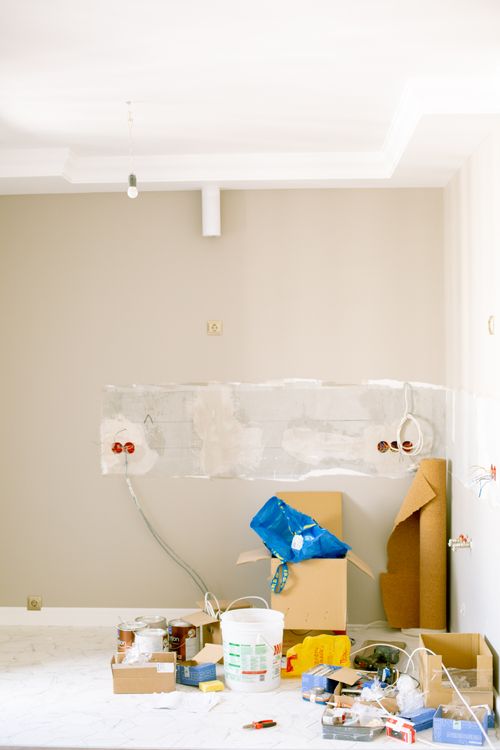
- Debris on floors including grit, plaster, paint spots, tape residue, and adhesive
- Potential blockage or contamination of HVAC vents, extractor fans, and filters
- Soft furnishings that absorbed dust if not covered during work
- Residue on windows, glass, and newly installed fixtures that needs specific cleaning to avoid scratching or damage
A professional post-renovation clean addresses:
HVAC vents and air filters (highest effort): These are the most commonly missed area. If dust entered your ventilation system during renovation, it will continue to circulate after the build finishes. Vent covers need removing and cleaning; filters need replacing.
Walls and ceilings: Plaster dust and paint splatter settle on all surfaces. Walls need wiping down before any touch-up painting makes sense. Ceilings accumulate dust that falls with every movement.
Windows: Frames, tracks, and glass need cleaning carefully — renovation grit can scratch glass if wiped dry. Professionally cleaned with appropriate products and technique.
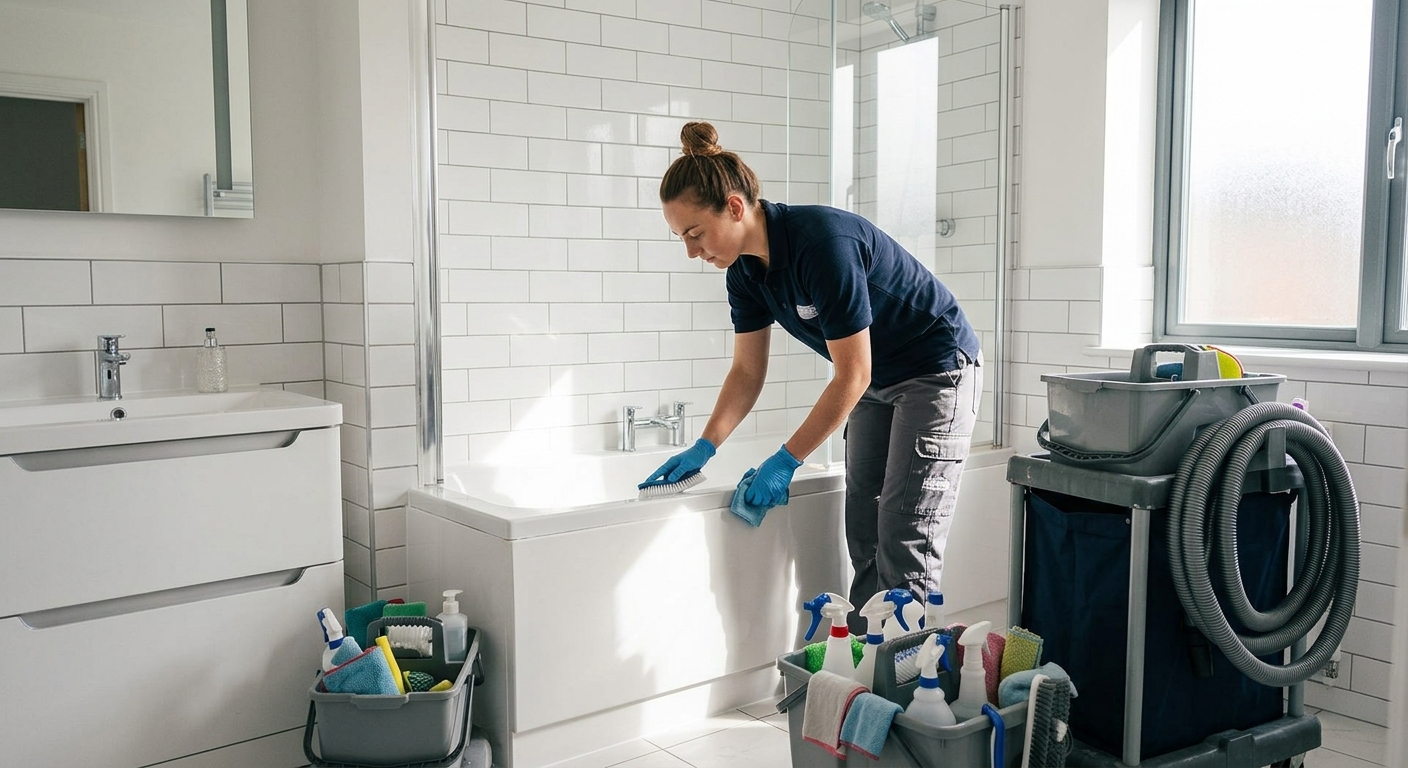
Floors: All types — hard and soft. Hard floors need mopping after thorough dry sweeping; carpets need deep hoovering, and in some cases professional shampooing if significant dust settled.
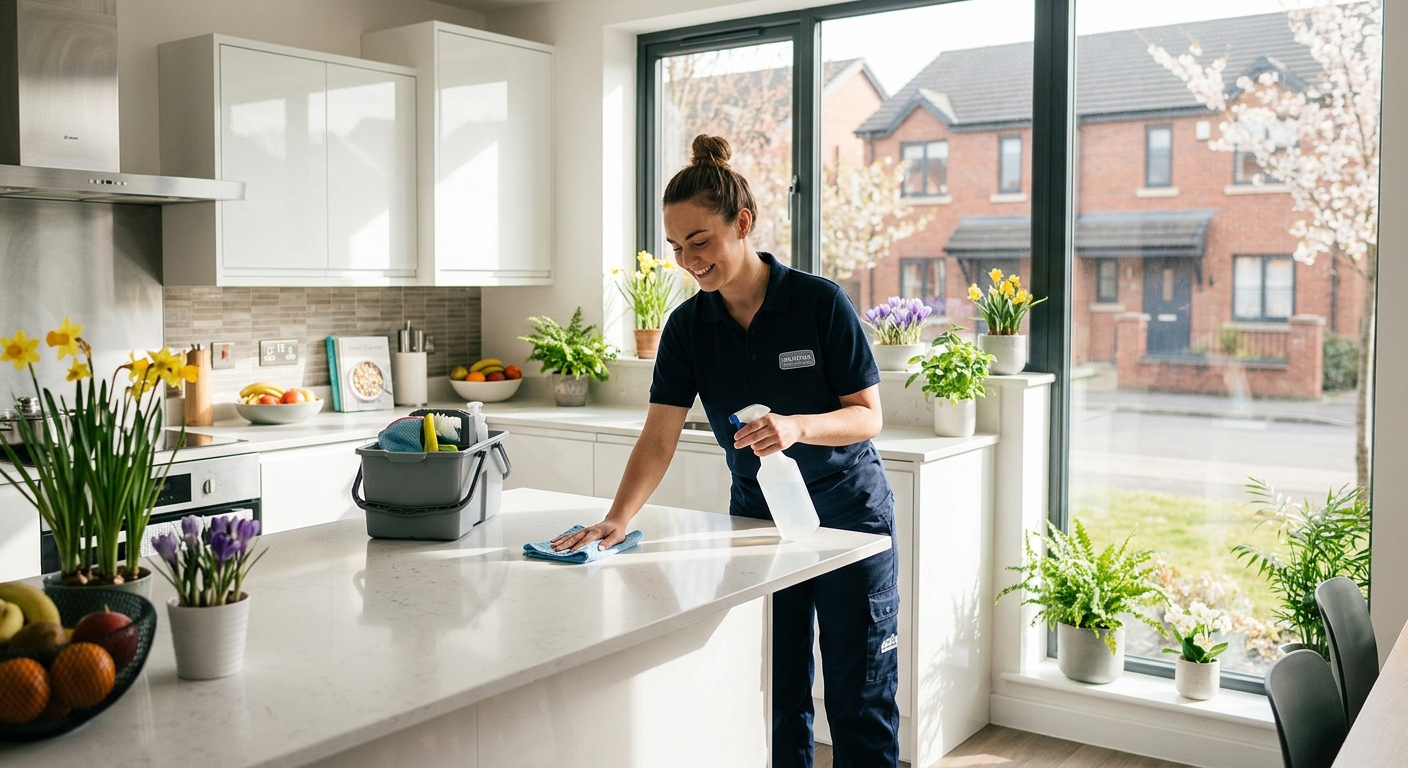
Kitchen surfaces and units: If the kitchen was the work area, or even if it wasn’t, the surfaces need a thorough wipe-down before cooking resumes.
Professional Post-Renovation Clean vs DIY
The honest answer: for small renovations — a single room repainted, a bathroom retiled — DIY cleaning is manageable if you’re systematic about it.
For anything involving structural work, plasterboarding, concrete cutting, or floor sanding, professional cleaning makes a practical difference. The reasons:
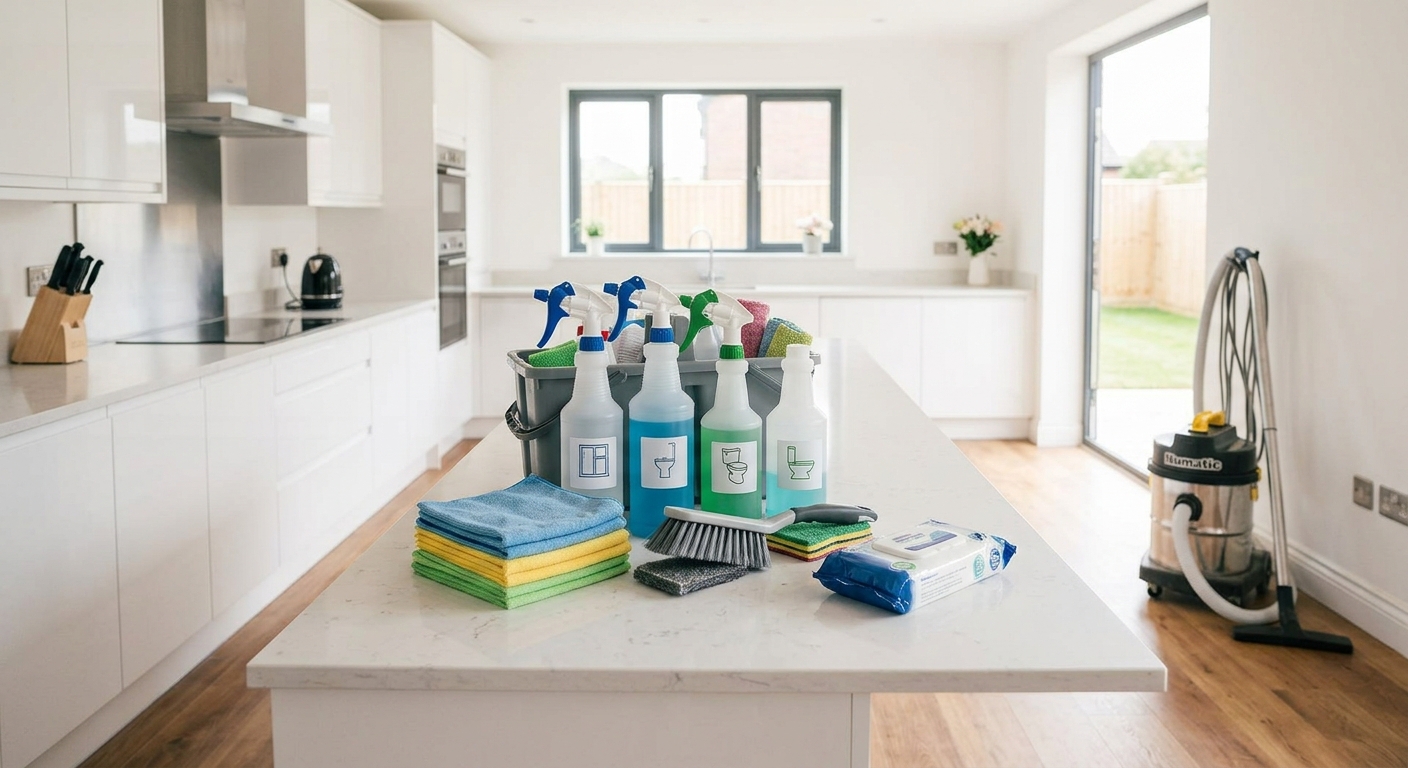
- Equipment: HEPA-filter vacuums capture fine particles rather than recirculating them. Standard domestic hoovers may not filter fine renovation dust effectively.
- Sequence: A post-renovation clean follows a specific top-to-bottom, wet-then-dry sequence. Doing it in the wrong order resuspends dust you’ve already cleaned.
- Time: Industry experience suggests professional teams handle mid-sized renovation cleans in one to three days. DIY typically takes longer because the right products and systematic approach take time to replicate.
- HVAC: Most homeowners don’t clean ventilation ducts themselves. A professional post-renovation service includes this.
51% of UK homeowners renovated their homes in 2024 according to Houzz UK’s 2025 study, at a median spend of £21,440 — a 26% increase from the year before. Post-renovation cleaning is rarely budgeted for, but it’s part of the cost of completing a renovation properly.
How Long Does Post-Renovation Cleaning Take?
A rough guide based on renovation type:
- Single room redecoration (painting and patching): a professional team completes the clean in four to six hours
- Kitchen or bathroom renovation (full fit-out): six to ten hours
- Structural work (wall removal, floor replacement, major plasterwork): one to two full working days
- Full house renovation: two to three days minimum
These are estimates assuming work areas are clear of tools and materials when the cleaning team arrives. If debris removal is also required, add time accordingly.
The Manchester Context
Manchester’s older housing stock means many renovation projects involve Victorian or Edwardian properties — brick construction, lime plaster, original floorboards. These materials produce more renovation dust than modern drywall construction, and the dust has different properties. Lime dust from original plaster is alkaline and irritating; brick silica is the most hazardous dust produced by any common renovation activity.
If your Manchester terrace or semi-detached has been extended, rewired, or had original plaster removed, the post-renovation clean needs to take the material composition seriously — not just treat it as a dusty room.
Frequently Asked Questions
How soon after renovation can I book a post-renovation clean?
As soon as the work is complete and the tradespeople have finished. You don’t need to wait for dust to settle — in fact, starting the clean promptly prevents dust from embedding in surfaces and soft furnishings.
Do I need to move furniture for a post-renovation clean?
The cleaning team will move smaller items, but heavy furniture or built-ins should ideally be in place so the clean addresses the final property layout. If furniture wasn’t in the room during the renovation, bring it in before the clean — it needs to be wiped down too.
Is post-renovation cleaning the same as a builders clean?
The terms are often used interchangeably. A builders clean typically refers to the initial rough clean done after construction — removing debris and major waste. A post-renovation clean (or final clean) is the thorough clean that follows, preparing the property for occupancy. Most homeowners need the second stage, not the first.
What should I do before the post-renovation cleaners arrive?
Ensure all tradespeople have finished. Confirm tools and remaining materials are removed. Have a note of any new surfaces or finishes that need care — freshly painted walls, new tiles, newly fitted kitchen units — so the cleaners use appropriate products that won’t damage them.
Can you clean a rented property after renovation work done by the landlord?
Yes. Post-renovation cleaning for rented properties in Manchester — whether the work was done by the landlord or arranged by a property manager — is a service we provide. If you’re moving back in after renovation work was done during a void period, get in touch and we’ll assess what’s needed.
Related reading: Deep Cleaning vs Regular Cleaning: What’s the Difference? | How to Prepare Your Home for a Professional Deep Clean
Finished renovating your Manchester home and need a professional post-renovation clean? Get a free quote from Atlon Cleaning Services or call 0161 524 9966.