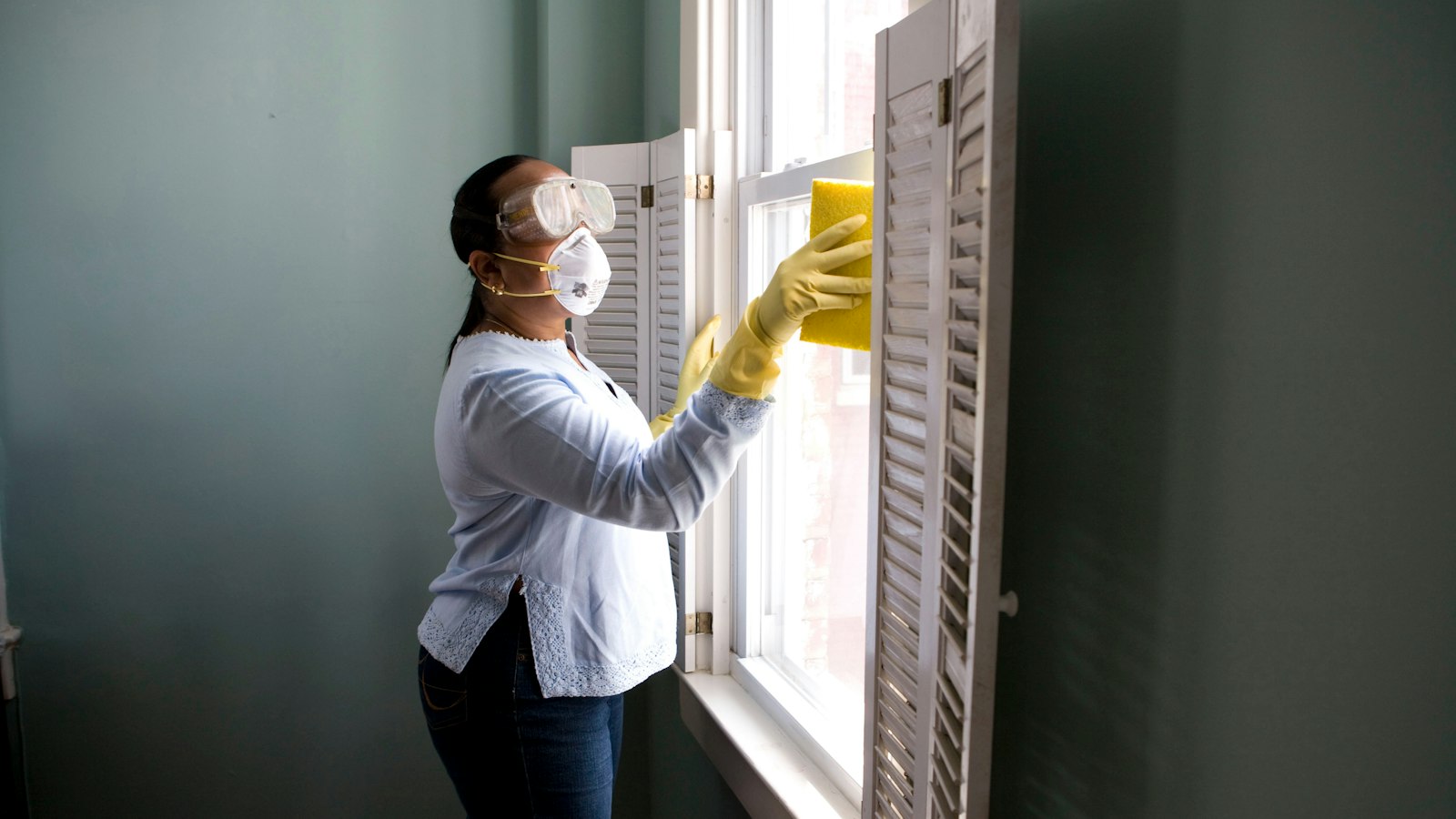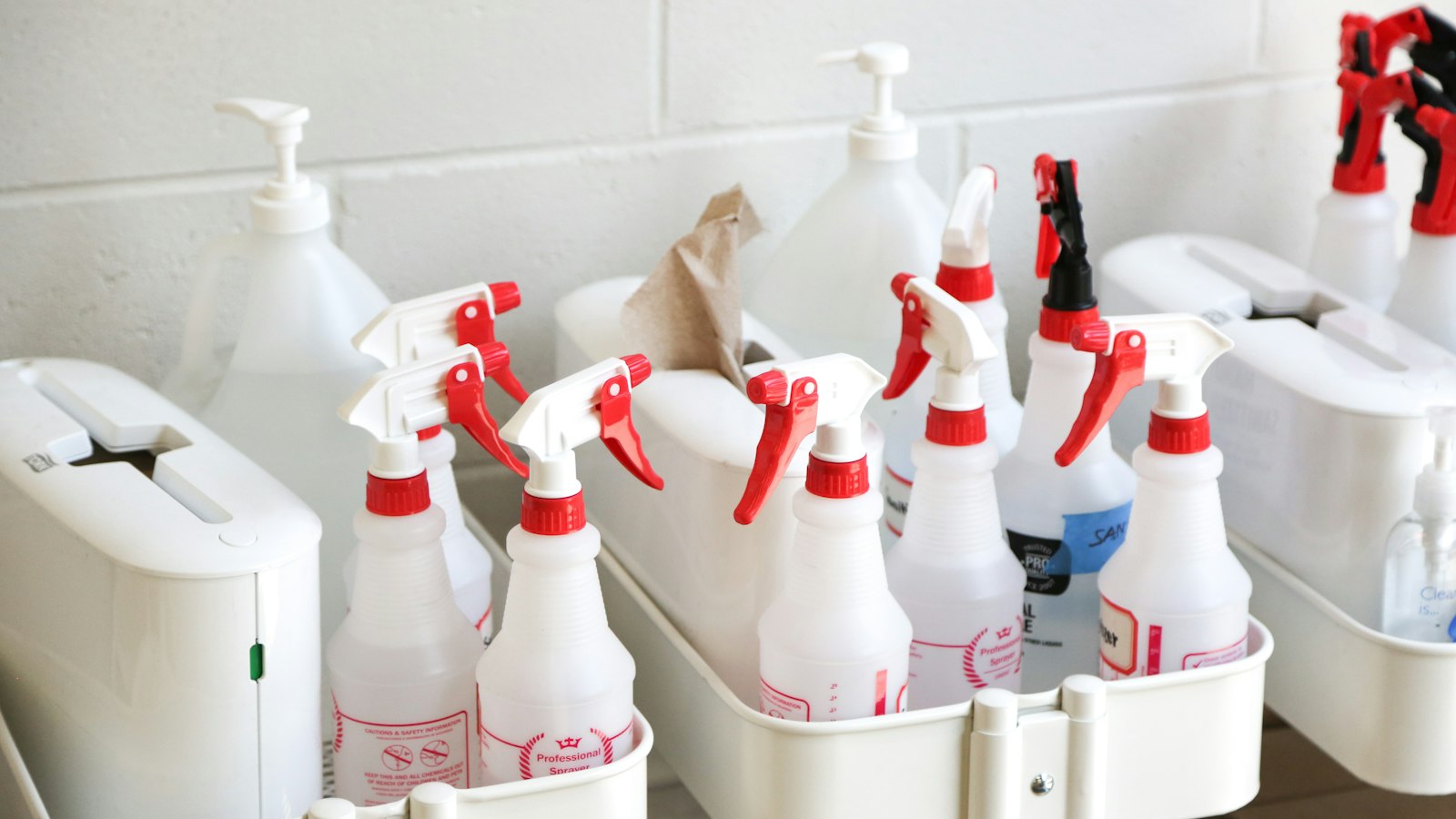
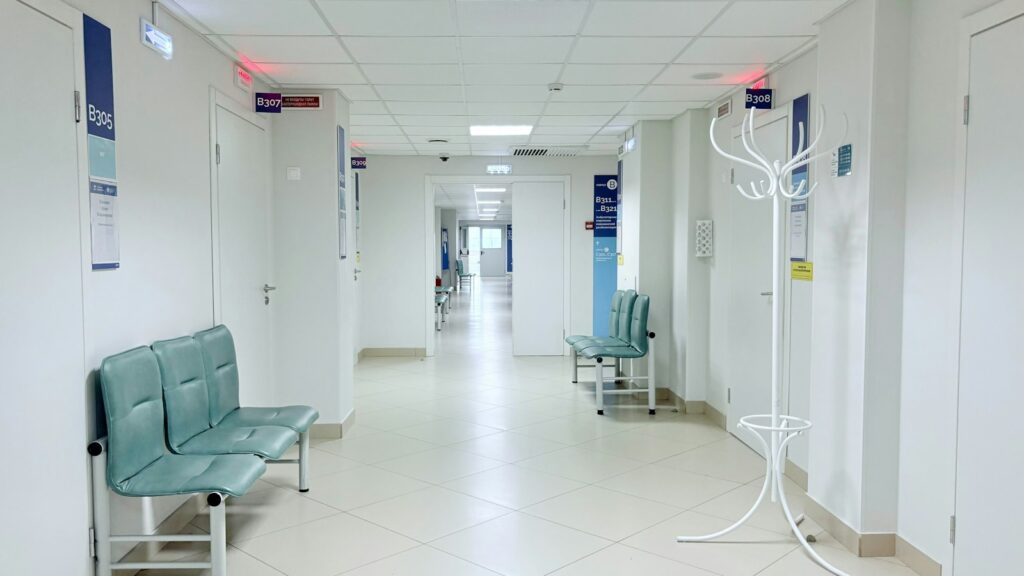
Healthcare-associated infections (HCAIs) were present in 7.6% of patients across NHS settings in 2023, up from 6.4% in 2016 (UKHSA, 2023). A GP surgery or dental practice isn’t an office. The cleaning standards are higher, the regulations are stricter, and the consequences of getting it wrong range from a failed CQC inspection to a patient contracting an infection.
If you run a medical practice in Manchester, your cleaning contract isn’t something to set and forget. It’s a core part of your CQC compliance. This guide covers exactly what’s required, what it costs, and how to tell whether your current cleaning provider is up to the job.
TL;DR: Medical practice cleaning requires specialist protocols that standard office cleaning doesn’t cover: NHS colour-coded equipment, CQC-compliant IPC procedures, clinical waste handling, and higher-frequency disinfection. HCAIs cost the NHS an estimated £2.1 billion annually (BMJ/York Health Economics Consortium, 2020). Manchester practices should expect to pay £25-£35/hr for compliant healthcare cleaning.
What Makes Medical Practice Cleaning Different from Office Cleaning?
HCAIs resulted in an estimated 22,800 patient deaths and 5.6 million occupied hospital bed days in England (BMJ/York Health Economics Consortium, 2020). While those figures are primarily hospital-based, the same organisms circulate in GP surgeries, dental practices, and clinics. The difference between medical practice cleaning and standard office cleaning isn’t just thoroughness – it’s an entirely different framework.
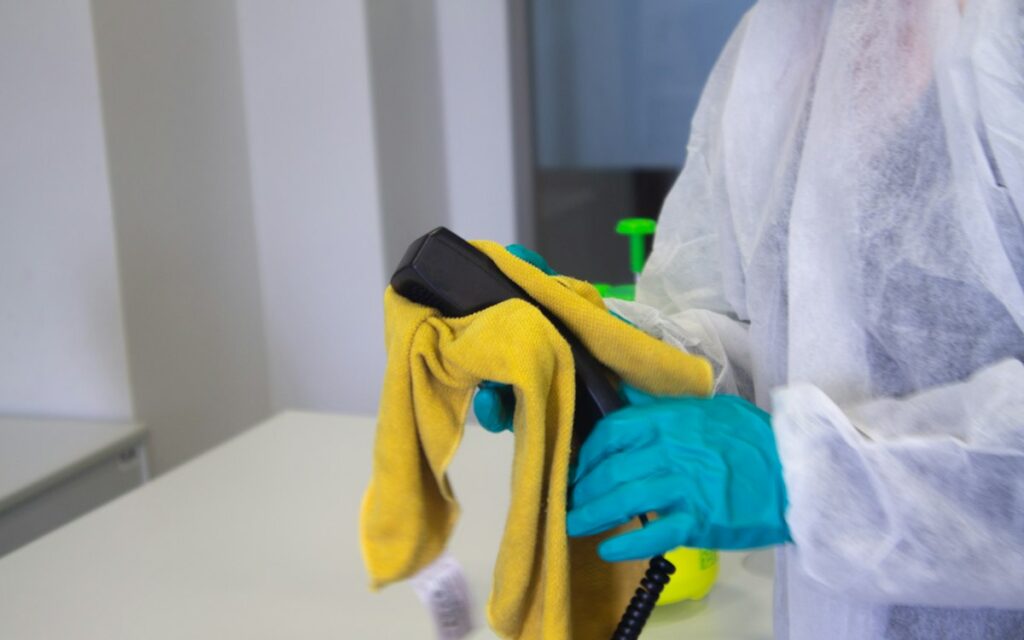
Key differences at a glance
Standard office cleaning vs medical practice cleaning:
- Detergents: General-purpose detergents vs hospital-grade disinfectants (EN-certified)
- Colour coding: Single colour cloths/mops vs NHS 4-colour coded system (mandatory)
- Waste handling: General waste only vs clinical waste segregation (sharps, infectious, domestic)
- High-touch points: Weekly keyboard wipe vs daily high-touch point disinfection
- Compliance: Basic health and safety vs COSHH + IPC policy + CQC compliance
- Documentation: Cleaning checklist vs auditable cleaning schedule with sign-off
- Cost: £20–£30/hr vs £25–£35/hr
Your standard commercial cleaner, no matter how good they are at offices, isn’t equipped for this work without specialist training, products, and protocols.
standard office cleaning costs
What Does the CQC Expect from Your Cleaning Standards?
The CQC’s Single Assessment Framework includes 34 Quality Statements, replacing the old Key Lines of Enquiry (KLOEs) (CQC). For cleaning and infection prevention, inspectors assess whether you meet the quality statement: “We assess and manage the risk of infection. We detect and control the risk of it spreading.”
What CQC inspectors look for
Environmental cleanliness: – Premises look clean and hygienic on arrival (not just after hours) – All surfaces and equipment are in good repair so they can be cleaned effectively – Areas are uncluttered – clutter prevents proper cleaning – Cleaning schedules are documented, specific, and being followed
Infection prevention and control (IPC): – An up-to-date IPC policy that’s relevant to your practice and accessible to all staff – Evidence of regular IPC audits with documented findings and actions – Cleaning contractors follow a schedule that includes specific frequencies for fixtures, fittings, and high-touch points (CQC) – Communal equipment is clean and decontaminated between patients
Documentation: – Cleaning schedules with frequencies for each area – Sign-off records proving tasks were completed – Training records for cleaning staff (IPC-specific) – COSHH assessments for all cleaning products
Our finding: When we audit Manchester medical practices before taking over their cleaning, the most common CQC compliance gap isn’t dirty surfaces – it’s missing documentation. The practice looks clean, but there’s no auditable trail proving when it was cleaned, by whom, and with what products. That gap alone can drop your CQC rating.
How Does the NHS Colour-Coded Cleaning System Work?
The NHS follows the British Institute of Cleaning Science (BICSc) colour-coding system to prevent cross-contamination between areas (NHS). It’s mandatory in all healthcare settings, including GP surgeries and dental practices. Using the wrong colour mop in the wrong room is a CQC finding.
The four-colour system
Why it matters
A yellow cloth used in the treatment room must never end up in the kitchen. A red mop head from the toilets must never touch the waiting room floor. Cross-contamination between areas is one of the primary routes of infection spread in healthcare settings.
Your cleaning provider should: – Arrive with clearly colour-coded equipment for each area – Have separate storage for each colour set – Replace cloth/mop heads between areas (not rinse and reuse) – Train all staff on which colours go where
If your current cleaner uses one grey mop for the whole building, they’re not equipped for medical practice cleaning. Full stop.
What Are the Cleaning Zones in a Medical Practice?
The Health and Social Care Act 2008 Code of Practice sets out 10 criteria against which the CQC judges IPC compliance (GOV.UK). Different zones in your practice carry different infection risk levels and need different cleaning frequencies.
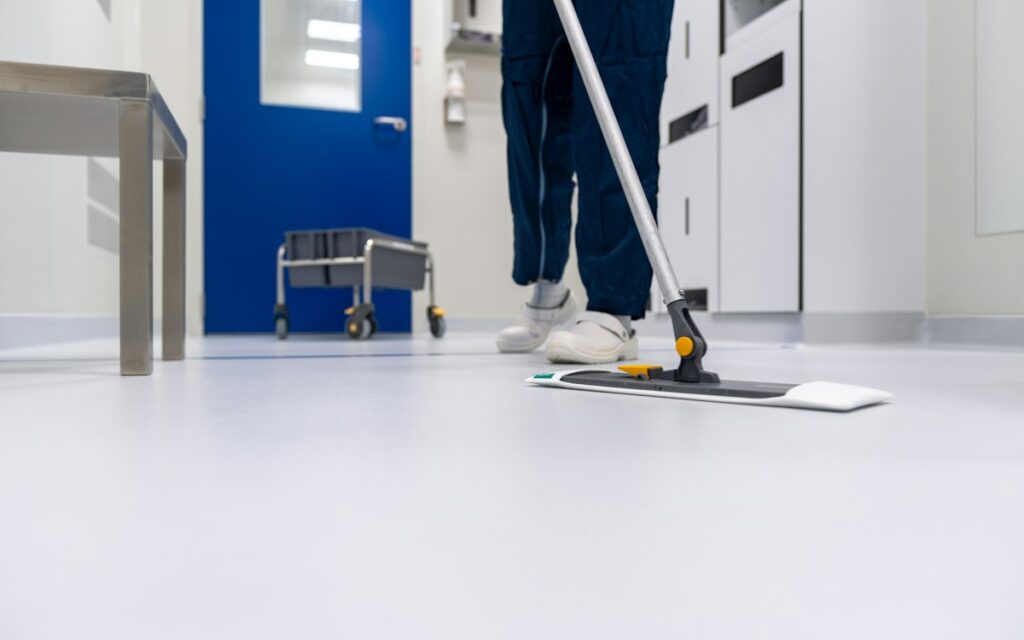
Zone classification and cleaning frequency
Very high risk – Clinical/treatment rooms (Yellow zone) – Clean and disinfect between every patient – Terminal clean at end of each clinic session – Wipe all surfaces, examination couches, equipment, light switches – Hospital-grade disinfectant (EN 14476 virucidal + EN 1276 bactericidal)
High risk – Toilets and washrooms (Red zone) – Minimum twice daily during clinic hours – Full clean and disinfect at end of day – Check and restock supplies hourly during busy periods – Special attention to taps, flush handles, door handles, lock mechanisms
Medium risk – Waiting rooms and reception (Blue zone) – Daily thorough clean – High-touch points (chairs, door handles, self-check-in screens) wiped 2-3 times daily – Magazines and toys removed (post-COVID best practice retained by most practices) – Floor cleaned daily, hard floors damp-mopped
Low risk – Staff offices and corridors (Blue zone) – Standard daily clean – Weekly thorough clean (skirting, blinds, behind furniture) – Monthly deep clean rotation
Food areas – Staff kitchen (Green zone) – Daily wipe-down of all surfaces – Weekly deep clean (inside fridge, microwave, cupboards) – Separate cleaning equipment – never used elsewhere
How Should Clinical Waste Be Handled?
Clinical waste segregation isn’t optional – it’s a legal requirement under the Controlled Waste Regulations 2012 and the Hazardous Waste Regulations 2005. Getting it wrong can result in prosecution, not just a CQC finding.
Waste stream categories for medical practices
- Sharps — rigid container (BS 7320), yellow lid — needles, scalpels, glass vials
- Infectious/clinical waste — clinical waste sack, orange or yellow — dressings, swabs, PPE with body fluid
- Offensive waste (non-infectious) — tiger stripe sack, yellow/black striped — incontinence pads, nappies, plasters without blood
- Domestic/general waste — standard bin liner, black — paper, packaging, food waste
- Pharmaceutical waste — specific containers, blue or purple — expired medications, part-used vials
From our team: The most common waste segregation error we see in Manchester practices is clinical waste bags being used for domestic waste. It’s expensive – clinical waste disposal costs 5-10 times more than domestic waste per kilogram. Proper training on segregation saves practices hundreds of pounds a month without compromising safety.
Your cleaning team’s role
Cleaners should: – Empty domestic waste bins (never clinical waste unless specifically trained and authorised) – Know which bins are clinical and which are domestic – Report when clinical waste containers are nearing capacity – Never compress, open, or sort clinical waste bags – Leave sharps containers for authorised clinical waste disposal teams
COSHH compliance for cleaning chemicals
What Does Medical Practice Cleaning Cost in Manchester?
NHS cleaning standards require specialist products, colour-coded equipment, trained staff, and more frequent visits – all of which cost more than standard office cleaning. The average medical practice clean costs 20-40% more than a comparable office space.
Typical Manchester pricing
Small GP surgery (2–3 GPs, 1,000–2,000 sq ft, 5 visits/week): £600–£1,000/month Medium GP surgery (4–6 GPs, 2,000–4,000 sq ft, 5 visits/week): £1,000–£1,800/month Large GP surgery / health centre (4,000–8,000 sq ft, 5–7 visits/week): £1,800–£3,500/month Dental practice, 2–3 surgeries (1,000–2,000 sq ft, 5–6 visits/week): £700–£1,200/month Dental practice, 4–6 surgeries (2,000–4,000 sq ft, 5–6 visits/week): £1,200–£2,500/month
Hourly rates: £25-£35/hr for healthcare-compliant cleaning (vs £20-£30/hr for standard commercial cleaning).
What drives the premium?
- Training: Cleaners need IPC training, colour-coding competency, and clinical waste awareness
- Products: Hospital-grade disinfectants cost 2-3x more than standard cleaning products
- Equipment: Colour-coded sets must be maintained and replaced more frequently
- Frequency: Clinical areas need cleaning between patients, not just end-of-day
- Documentation: Audit trails, sign-off sheets, and compliance records take time
- Insurance: Higher public liability cover required for healthcare environments
How to reduce costs without cutting corners
- Schedule standard-rate office cleaning for admin areas and use healthcare rates only where required
- Combine daily maintenance with quarterly deep cleans (rather than over-cleaning daily)
- Ensure waste segregation is correct – domestic waste in domestic bins saves on clinical waste disposal costs
commercial cleaning cost breakdown
Medical Practice Cleaning: What CQC Inspectors Check
Source: CQC Single Assessment Framework; Health and Social Care Act 2008 Code of Practice
- ✓Documented cleaning schedule with frequencies for each area
- ✓Sign-off records proving tasks were completed (date, time, name)
- ✓NHS colour-coded equipment used correctly (red, blue, green, yellow)
- ✓COSHH assessments for every cleaning product on site
- ✓IPC training records for all cleaning staff (competency-assessed)
- ✓Clinical waste correctly segregated (sharps, infectious, domestic)
- ✓IPC audit programme with documented findings and actions taken
- ✓Hospital-grade disinfectants (EN 1276 bactericidal + EN 14476 virucidal)
How Do You Choose a Healthcare Cleaning Provider in Manchester?
Not every commercial cleaning company can handle medical practice cleaning. Here’s how to separate the qualified from the rest.

Non-negotiable requirements
- IPC training for all staff – not generic health and safety, specific infection prevention and control
- NHS colour-coded equipment – they should own complete sets, not buy them after you sign the contract
- Healthcare-grade products – EN 14476 virucidal and EN 1276 bactericidal certified disinfectants
- Auditable documentation – cleaning schedules, sign-off sheets, audit reports
- COSHH compliance – written assessments for every product, accessible on site
- DBS-checked staff – medical practices hold patient data; cleaners need vetting
- Clinical waste awareness – even if they don’t handle clinical waste, they must know the rules
- Public liability insurance – minimum £5 million, ideally £10 million for healthcare settings
Questions to ask before signing
- “Can you show me your IPC training programme and competency records?”
- “Which colour-coded equipment system do you use?”
- “What disinfectants do you use, and what EN standards do they meet?”
- “How do you handle a blood spill or bodily fluid incident?”
- “What’s your process for reporting and documenting issues?”
- “Can I speak to another medical practice you currently clean?”
If they hesitate on any of these, they’re not ready for healthcare cleaning.
Our approach: We maintain a separate healthcare cleaning team at Atlon – cleaners who’ve completed our 10-module training programme including dedicated IPC and COSHH modules. They don’t rotate between office and medical contracts. Consistency matters when CQC is watching.
how to switch cleaning provider
Frequently Asked Questions
Does my GP surgery need specialist cleaning or will standard office cleaning do?
Standard office cleaning isn’t sufficient for GP surgeries. The CQC assesses infection prevention and control under the Health and Social Care Act 2008, which requires healthcare-specific protocols including NHS colour-coded equipment, hospital-grade disinfectants, and documented cleaning schedules (CQC). Failing to meet these standards can affect your CQC rating.
How often should treatment rooms be cleaned?
Treatment rooms should be cleaned between every patient (wipe-down of surfaces, couch, and equipment) and receive a terminal clean at the end of each clinical session. This is standard NHS practice and a CQC expectation. High-touch surfaces need disinfecting with EN-certified products, not just wiping with a general detergent.
What does the NHS colour-coded cleaning system involve?
The NHS uses a four-colour system based on BICSc standards: red for toilets and washrooms, blue for general areas and offices, green for kitchens and food areas, and yellow for clinical and isolation areas (NHS). All equipment – cloths, mops, buckets, gloves – must match the assigned colour for each zone.
How much more does medical practice cleaning cost compared to office cleaning?
Medical practice cleaning in Manchester typically costs £25-£35/hr compared to £20-£30/hr for standard office cleaning – roughly 20-40% more. The premium covers IPC-trained staff, hospital-grade disinfectants, colour-coded equipment, higher cleaning frequencies, and the documentation required for CQC compliance. office cleaning costs
Can my existing commercial cleaner handle medical practice cleaning?
Only if they have IPC training, NHS colour-coded equipment, healthcare-grade products, and experience with CQC documentation requirements. Many standard commercial cleaners don’t have these capabilities. Ask them the qualifying questions listed in this guide – if they can’t answer confidently, you need a specialist healthcare cleaning provider.
Protect Your CQC Rating
Your cleaning isn’t just about appearance. It’s about patient safety, regulatory compliance, and the reputation of your practice. One failed CQC inspection linked to cleanliness can take years to recover from.
Here’s what to do next:
- Audit your current cleaning against the CQC checklist in this guide. How many boxes can you tick?
- Check your documentation. Do you have sign-off records, training logs, and COSHH assessments on file?
- Ask your cleaner the qualifying questions. If they can’t answer them, it’s time to talk to someone who can.
At Atlon Cleaning Services, we clean GP surgeries, dental practices, and clinics across Manchester with full CQC-compliant protocols. Every cleaner is IPC-trained, every product is EN-certified, and every visit is documented.
Call us on 0161 524 9966 to arrange a free compliance audit of your medical practice, or request a quote.